



Control Algae Upstream Before It Becomes a Downstream Problem
Screens need cleaning. Chemical demand goes up. Filters need more attention. Clarifier surfaces have to be cleaned again. TSS or BOD starts moving in the wrong direction, and suddenly everyone is trying to figure out what changed.
Often, the answer is algae growth. The better approach is to get ahead of the problem and control algae and biofilm before they create downstream problems.
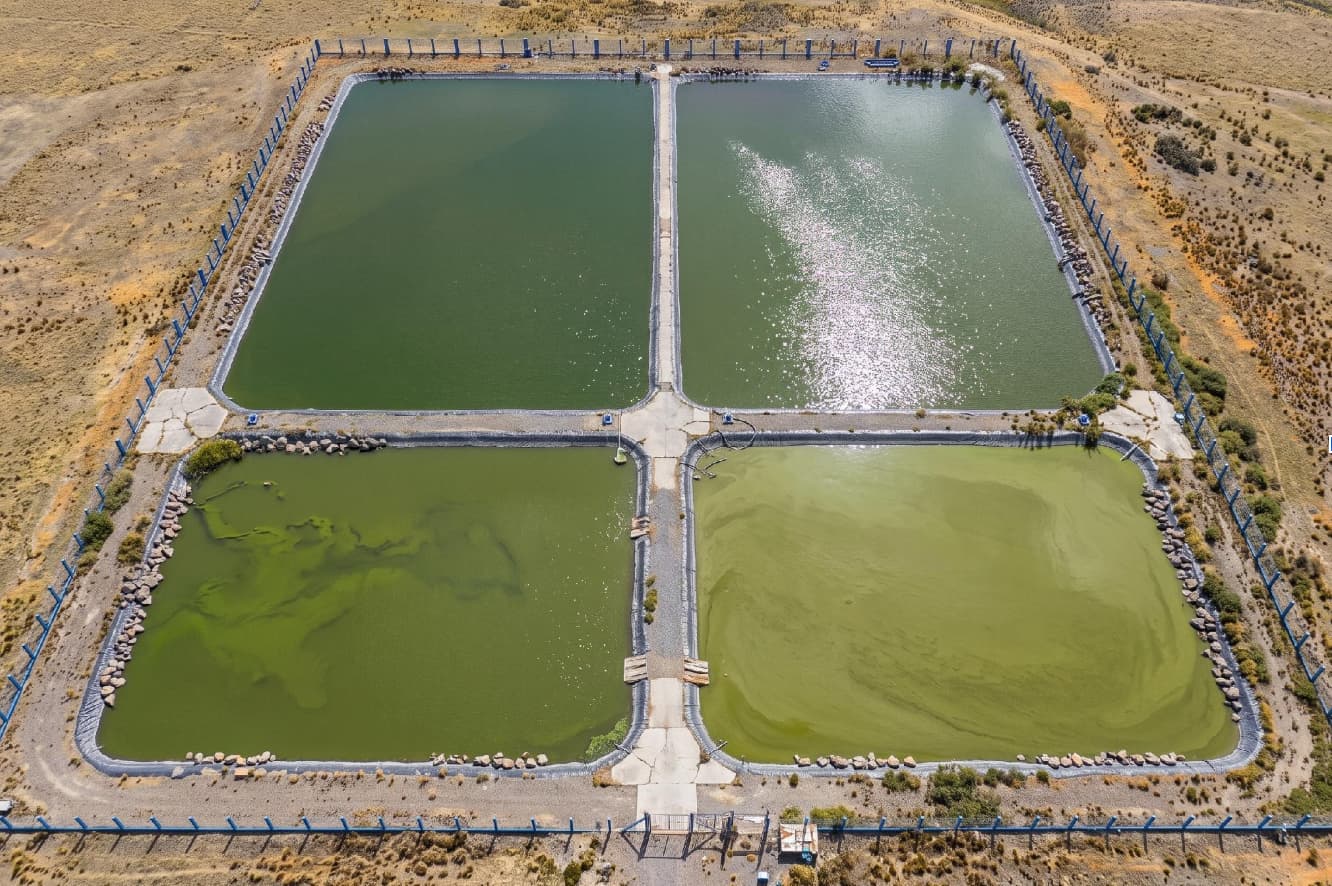
Algae and biofilm establish themselves in lagoons, holding ponds, basins, clarifiers, polishing ponds, and other areas throughout a wastewater operation. From there, algae moves with the water into the next treatment step, while algae and biofilm coat surfaces that require repeated cleaning. What starts as biological growth in one part of the operation becomes a chemical, maintenance, treatment, or compliance problem somewhere else. That is the cycle operators would love to break.
Control the Problem Before It Moves Downstream
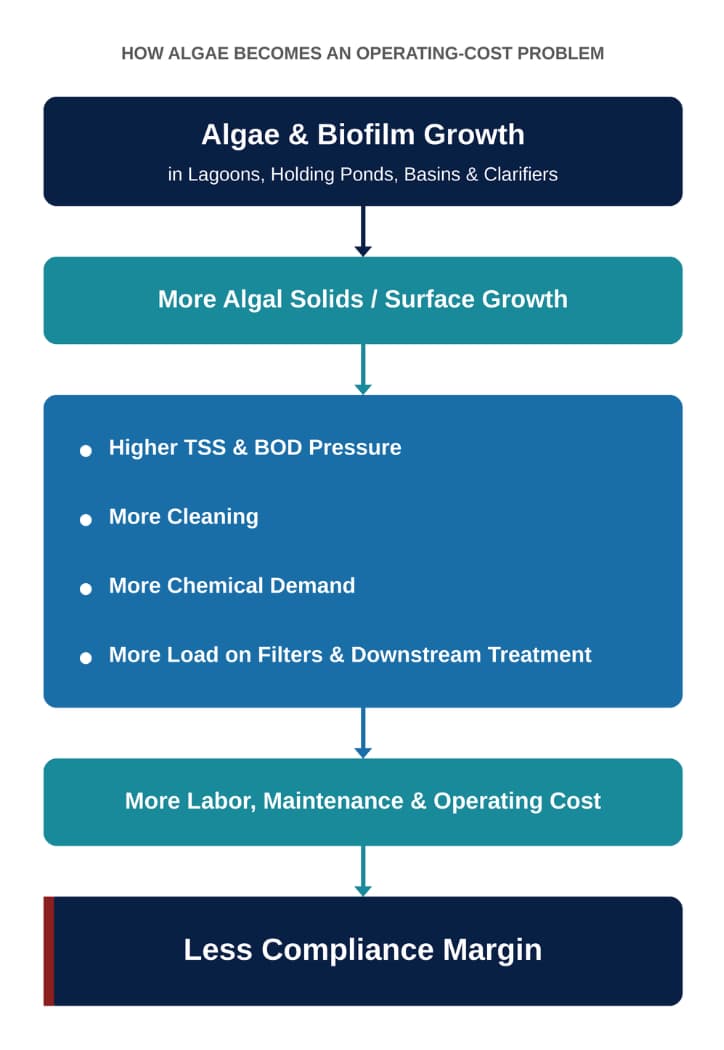
Control the growth at the source. Everything downstream gets easier.
Upstream Algae Can Create a New Solids Problem
Lagoons, holding ponds, and basins give algae plenty to work with: nutrients, sunlight, warm water, and time. Once a bloom develops, that biomass does not stay put. It becomes suspended material that moves downstream and shows up in TSS results even after the original wastewater solids have been treated.
That creates a frustrating situation for operators. The plant may be treating the incoming wastewater effectively, but the lagoon has grown a new solids load of its own. Algae also adds to BOD. Living algae consume oxygen, while dead algae add more oxygen demand as they break down.
The wastewater may be treated. The algae can still put the final sample over the limit.
TSS and BOD are only part of the story. Downstream, that algae shows up as screen cleaning, higher chlorine demand, more filter loading, more backwashing, and added pressure on polishing and disinfection. The plant ends up spending time and money dealing with algae somewhere other than where it started.
The Downstream Cost Adds Up
EPA documented a good example at a wastewater reuse facility in Oswego, Kansas. Lagoon algae increased chlorine demand and forced operators to stop the reuse system every four to five days to clean algae from pump screens.1
That is what a downstream algae problem looks like in the real world: more chemical demand, more cleaning, more operator time, and more interruptions.
We see the same pattern in drinking-water treatment. At Central Alabama Water, algae from a sedimentation basin carried into the granular filters, increasing head loss, shortening filter runs, and driving up chlorine demand. After ultrasound was installed in the basin, the seasonal algae growth that had returned year after year was largely absent in the treated area.2
The treatment systems are different, but the lesson is the same. If less algae reaches the next treatment step, there is less algae for the downstream equipment to handle.
Clarifiers Have Their Own Version of the Problem
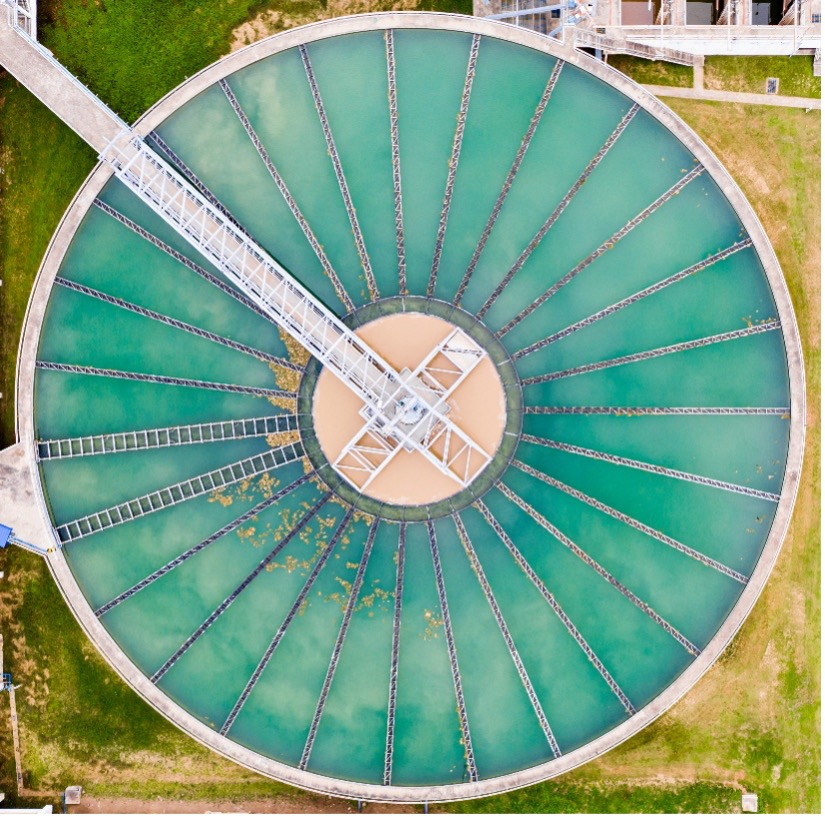
Algae and biofilm on clarifier weirs, launders, and walls create a recurring cleaning cycle. Operators clean the surfaces, the growth returns, and the job has to be done again. When chemicals are part of the maintenance program, that means repeated chemical treatment too.
Continuous treatment changes the objective from repeated cleanup to ongoing control. Keeping pressure on the growth 24 hours a day keeps critical surfaces cleaner longer, extends cleaning intervals, and reduces the labor and chemical demand tied to doing the same job over and over.

.svg)