


Control Algae Upstream Before It Becomes a Downstream Problem

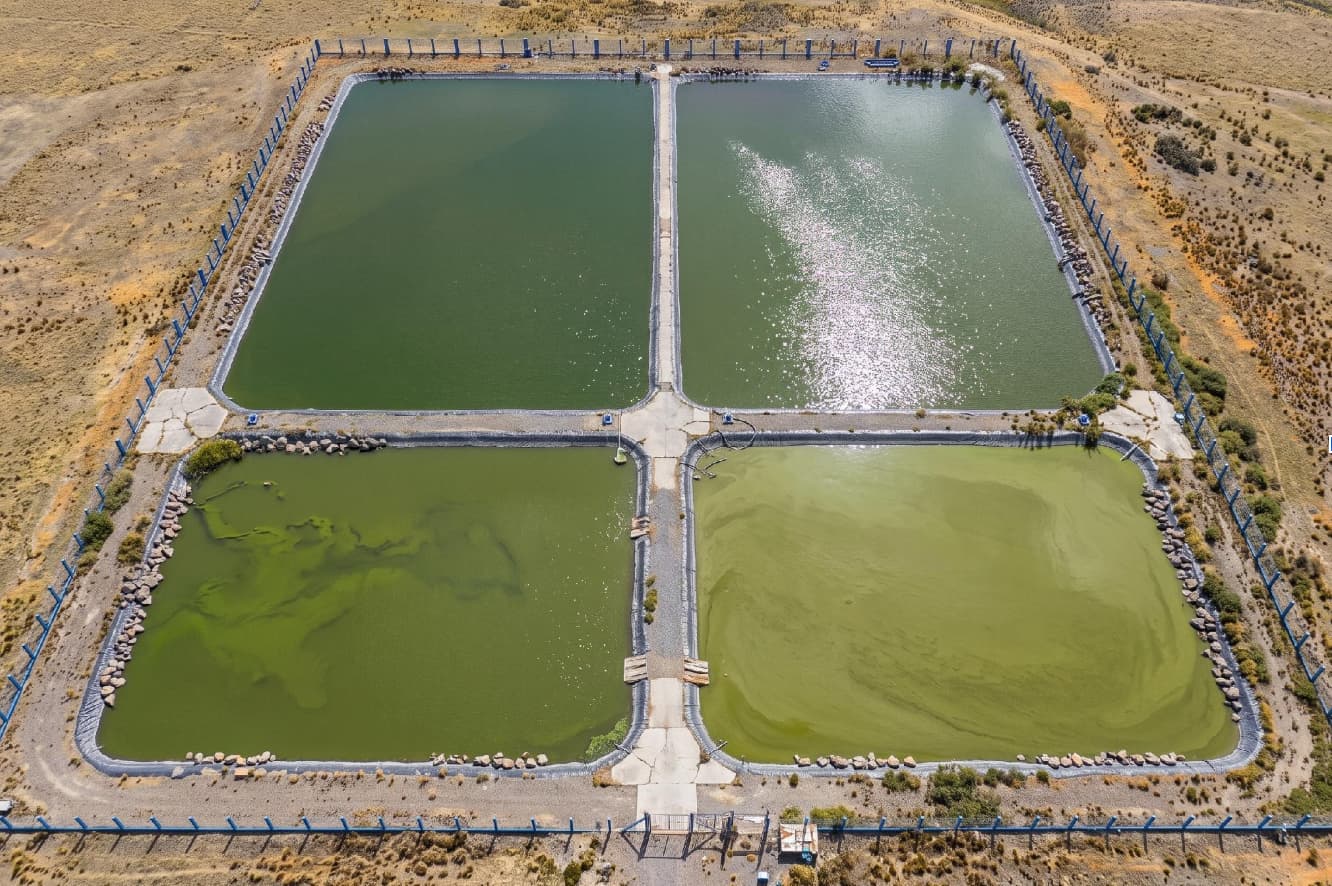
Screens need cleaning. Chemical demand goes up. Filters need more attention. Clarifier surfaces have to be cleaned again. TSS or BOD starts moving in the wrong direction, and suddenly everyone is trying to figure out what changed.
Often, the answer is algae growth. The better approach is to get ahead of the problem and control algae and biofilm before they create downstream problems.
Algae and biofilm establish themselves in lagoons, holding ponds, basins, clarifiers, polishing ponds, and other areas throughout a wastewater operation. From there, algae moves with the water into the next treatment step, while algae and biofilm coat surfaces that require repeated cleaning. What starts as biological growth in one part of the operation becomes a chemical, maintenance, treatment, or compliance problem somewhere else. That is the cycle operators would love to break.
Control the Problem Before It Moves Downstream
Control the growth at the source. Everything downstream gets easier.
Upstream Algae Can Create a New Solids Problem
Lagoons, holding ponds, and basins give algae plenty to work with: nutrients, sunlight, warm water, and time. Once a bloom develops, that biomass does not stay put. It becomes suspended material that moves downstream and shows up in TSS results even after the original wastewater solids have been treated.
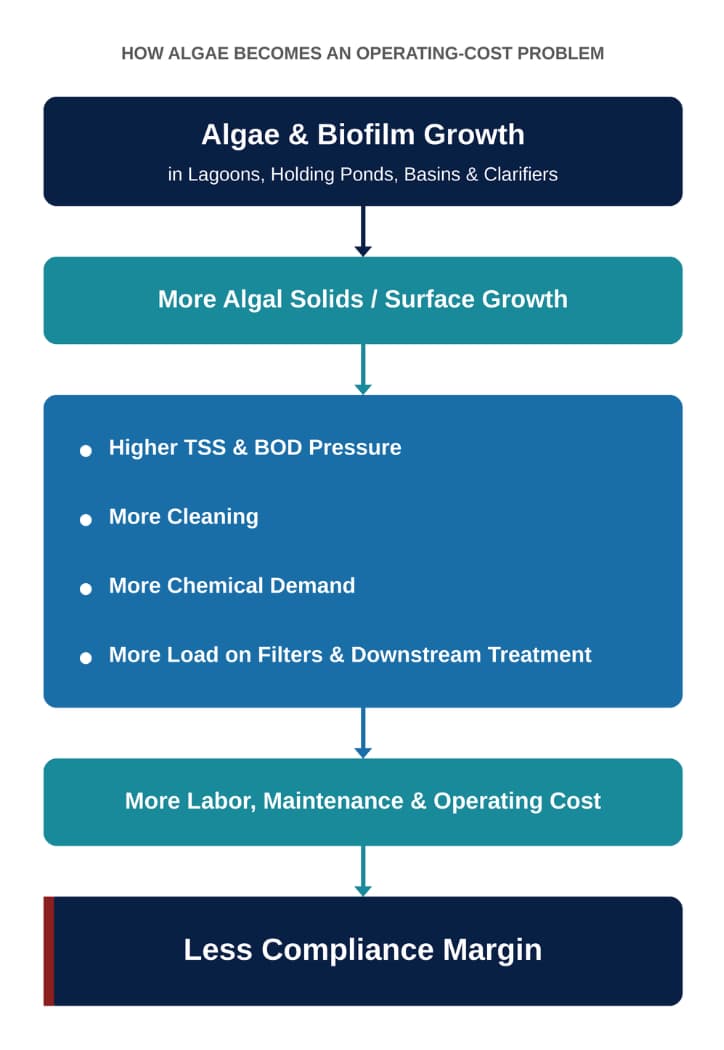
That creates a frustrating situation for operators. The plant may be treating the incoming wastewater effectively, but the lagoon has grown a new solids load of its own. Algae also adds to BOD. Living algae consume oxygen, while dead algae add more oxygen demand as they break down.
The wastewater may be treated. The algae can still put the final sample over the limit.
TSS and BOD are only part of the story. Downstream, that algae shows up as screen cleaning, higher chlorine demand, more filter loading, more backwashing, and added pressure on polishing and disinfection. The plant ends up spending time and money dealing with algae somewhere other than where it started.
The Downstream Cost Adds Up
EPA documented a good example at a wastewater reuse facility in Oswego, Kansas. Lagoon algae increased chlorine demand and forced operators to stop the reuse system every four to five days to clean algae from pump screens.1
That is what a downstream algae problem looks like in the real world: more chemical demand, more cleaning, more operator time, and more interruptions.
We see the same pattern in drinking-water treatment. At Central Alabama Water, algae from a sedimentation basin carried into the granular filters, increasing head loss, shortening filter runs, and driving up chlorine demand. After ultrasound was installed in the basin, the seasonal algae growth that had returned year after year was largely absent in the treated area.2
The treatment systems are different, but the lesson is the same. If less algae reaches the next treatment step, there is less algae for the downstream equipment to handle.
Clarifiers Have Their Own Version of the Problem
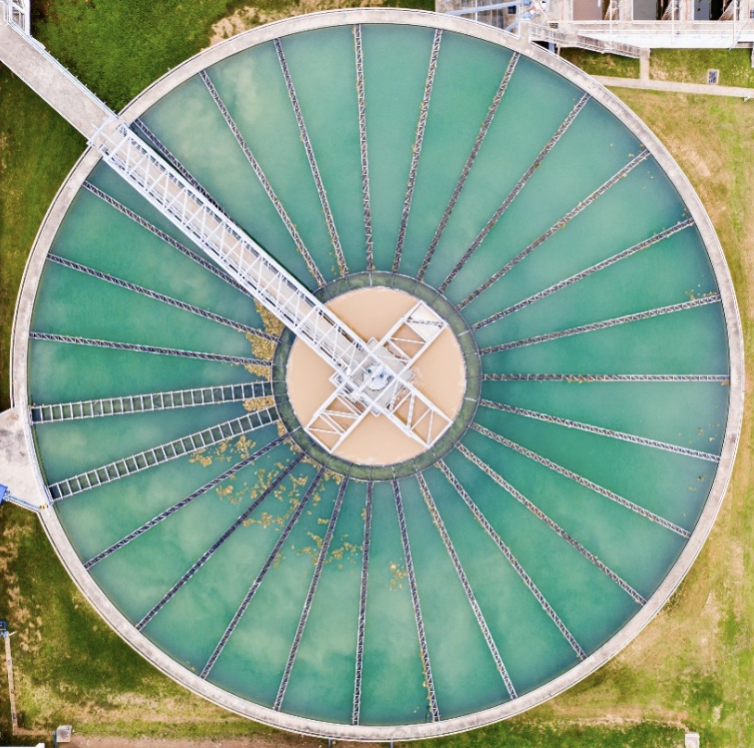
Algae and biofilm on clarifier weirs, launders, and walls create a recurring cleaning cycle. Operators clean the surfaces, the growth returns, and the job has to be done again. When chemicals are part of the maintenance program, that means repeated chemical treatment too.
Continuous treatment changes the objective from repeated cleanup to ongoing control. Keeping pressure on the growth 24 hours a day keeps critical surfaces cleaner longer, extends cleaning intervals, and reduces the labor and chemical demand tied to doing the same job over and over.
By the Time You Are Reacting, You Are Already Paying for It
Related: Algae and Biofilm Are Not Just Water-Quality Problems. They Are Operating-Cost Problems.
When algae starts creating operating problems, operators respond by adding chemicals, cleaning screens, backwashing more often, adjusting treatment, increasing filtration, cleaning clarifiers again, or spending more time troubleshooting the plant. Those responses may be necessary, but by then the plant is already paying for the problem in chemicals, labor, maintenance, treatment capacity, or compliance margin.
Long-term nutrient management matters too. Reducing phosphorus and nitrogen entering the system addresses the conditions that fuel algae growth, while beneficial bacteria, phosphorus management, circulation, and other measures can play a role depending on the site. Many of those improvements take time to plan, fund, and implement, and the plant still has to operate while that work moves forward.
That is why it makes sense to control the growth where it starts, before it becomes another problem somewhere else in the plant.
Control the Growth Where It Starts
SonicPure provides continuous, chemical-free ultrasound for algae, cyanobacteria, and biofilm control across wastewater operations.
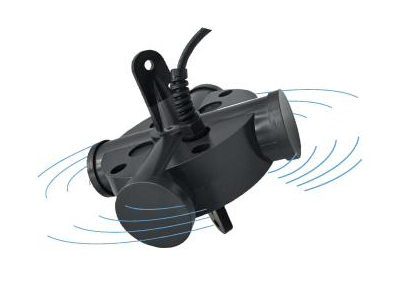
The Pulsar 4400 operates continuously with approximately 4,400 targeted frequencies, four transducers, and 360-degree coverage. In lagoons, holding ponds, basins, and polishing ponds, SonicPure ultrasound combats active algae and cyanobacteria while suppressing future growth. In clarifiers and other operational applications, continuous treatment controls algae and biofilm on surfaces, keeping them cleaner longer and reducing repeated cleaning and chemical demand.
The advantage is not simply replacing one cleanup method with another. It is changing when the plant deals with the problem. Instead of waiting until algae reaches a screen, filter, or polishing step, or shows up in the final sample, control it where it is growing. Instead of waiting for clarifier surfaces to foul again, keep continuous pressure on the growth between cleanings.
SonicPure does not remove phosphorus or stop new nutrient loading, and it does not replace every treatment or nutrient-management measure a plant may need. It addresses the growth itself, continuously, while the rest of the plant keeps doing the jobs it was designed to do.
See SonicPure case studies for more examples of algae and biofilm control across wastewater and drinking-water operations.
Be Proactive, Not Reactive
Wastewater plants already have enough problems that demand an immediate response. Algae and biofilm do not have to become another recurring cycle of chemical treatment, cleaning, troubleshooting, and downstream expense.
Continuous ultrasound gives operators a way to combat active growth, suppress future growth, reduce reliance on chemical treatments, keep critical surfaces cleaner longer, and reduce the amount of algae the rest of the treatment process has to handle.
The operating principle is simple: control the problem where it starts, before you have to pay for it somewhere else.
Contact SonicPure to discuss where continuous ultrasound can be applied across your wastewater operation: sales@sonicpure.com or +1 (310) 955-4005.
Sources
1. U.S. Environmental Protection Agency, “Water Reuse Case Study: Oswego, Kansas,” accessed August 24, 2026.
2. Melanie Vines, Jeff Cochran, and Leigh G. Terry, “Ultrasonic Treatment Reduces Sedimentation Basin Algae Growth,” Opflow 52, no. 5 (2026): 18–21. DOI: 10.1002/opfl.70079.
3. Orren D. Schneider, Lauren A. Weinrich, and Scott Brezinski, “Ultrasonic Treatment of Algae in a New Jersey Reservoir,” Journal AWWA 107, no. 10 (2015): E533–E542. DOI: 10.5942/jawwa.2015.107.0149.

.svg)