


Ultrasonic technology that kills algae at the cellular level - without chemicals, without interruption.
Every claim is grounded in real physical and biological mechanisms. Continuous operation is engineered. Results follow biological processes.
Discrete ultrasonic frequencies
Radial range for cyanobacteria
Days to visible impact
Chemicals. Ever.
Algae survive by maintaining buoyancy. Most species, especially cyanobacteria, do this through gas vesicles: protein-shelled hollow cylinders that regulate position in the water column.
SonicPure®'s Pulsar 4400 emits targeted ultrasonic frequencies that match the resonant frequency of those gas vesicles. The acoustic pressure causes vesicle walls to vibrate, crack, and collapse irreversibly. Without buoyancy, algae sinks. Without light, photosynthesis ceases. The cell dies.
Critically, the gas vesicle collapses before the cell membrane ruptures. Toxins including cyanotoxins like microcystin remain trapped inside the dying cell and degrade naturally on the lake bed rather than being released into the water column. This is fundamentally different from algaecides, which rupture cells and can trigger mass toxin events.



Emit
Pulsar 4400 broadcasts 4,400 targeted ultrasonic frequencies in a 360° pattern from four transducer heads, 24 hours a day.

Resonate & Collapse
Frequencies matched to algal gas vesicle dimensions cause structural resonance. Vesicle walls crack and collapse irreversibly under acoustic pressure.

Sink Without Releasing Toxins
Without buoyancy, algae sinks intact. Cell membranes remain unruptured and toxins stay contained and degrade naturally.

Die, No Rebound
Deprived of sunlight, photosynthesis stops and the cell dies. Beneficial bacteria are unharmed, no phosphorus spike, no rebound bloom.
24/7 continuous operation
We mean: we design and install an onsite power system matched to your site before the unit ever ships.
Ultrasonic algae control only works if it runs continuously. Algae doesn't pause on weekends. Gas vesicle disruption is an accumulative process sustained acoustic pressure is required to prevent new vesicle synthesis and ensure ongoing population collapse. A system that runs 8 hours a day fails.
SonicPure designs the power architecture as part of the deployment, not as an afterthought. During site assessment, our team evaluates grid access, cable run feasibility, sun exposure, and whether the unit is shore-based or on water. That determines the configuration: three options, each engineered for uptime.
Cyanobacteria can synthesize new gas vesicles within hours when acoustic pressure is removed. A 16-hour gap between treatment cycles is enough for partial population recovery. The 7–10 day result timeline assumes uninterrupted operation.

Shoreline Solar
Panel + battery on shore, cable run to floating Pulsar. Best when AC is unavailable and a cable run is feasible.

AC Power Hub
Converts 120v/240v grid AC to 24vDC. Highest uptime reliability. Standard for WWT plants and drinking water facilities.
Sentinel AIQ
Integrated solar platform deployed on water. For large or remote water bodies where shore cable runs aren't feasible.

Sentinel AIQ+
Enhanced on-water platform with expanded battery reserve and full SenseIQ sensor integration for remote deployments.
Every SonicPure deployment begins with a site assessment. We specify the correct power configuration and provide documentation for your engineering team before any equipment is ordered.
4,400 Frequencies target algae with the highest precision available
We mean: every frequency maps to a specific algal structure. More frequencies = more species covered at higher efficacy not a wider shotgun blast.
Discrete frequencies across 2 targeting bands
Transducer heads at 90° — full 360° radial coverage
Most ultrasonic systems operate on a handful of frequencies, sometimes as few as three. This works for monoculture bloom events where a single dominant species is present. Real water bodies rarely are. A reservoir managing a mixed bloom of cyanobacteria and green algae needs a system that targets both simultaneously, at the right acoustic intensities.
The Pulsar 4400 deploys 4,400 discrete frequencies across two bands. The lower band targets cyanobacteria gas vesicle dimensions common to Microcystis, Aphanizomenon, Anabaena, and Planktothrix. The upper band targets green algae cell membranes, golden algae structures, and dinoflagellates. Within each band, frequencies are swept continuously to prevent adaptation.
Many bloom events involve multiple species simultaneously. Single-frequency systems address one and leave the other. The Pulsar 4400 operates across both bands simultaneously, both species are targeted in the same deployment.
No chemicals required
We mean: not just chemical-free treatment, but a fundamentally different kill mechanism that leaves the ecosystem intact after the algae is gone.
Chemical algaecides, copper sulfate (CuSO₄) in particular work by toxicity. They kill algae by poisoning cellular enzyme systems. The problem: copper sulfate does not distinguish between harmful algae and beneficial bacteria. It persists in sediment. It accumulates with each application. It requires full PPE to apply. And it triggers rebound: killing algae with chemicals rapidly releases the phosphorus locked inside algal cells back into the water, often fueling a worse bloom within weeks.
Ultrasound kills differently. It uses mechanical resonance to collapse gas vesicles. No chemistry enters the water. No residue accumulates. Beneficial aerobic bacteria survive. The phosphorus locked inside sinking algal cells degrades slowly on the lake bed not as a sudden nutrient pulse.
When chemicals kill algae, cell membranes rupture immediately, releasing intracellular phosphorus into the water column sometimes spiking total phosphorus by 200–400% within 48 hours of treatment. That spike feeds the next bloom. With ultrasound, cells sink intact and their phosphorus degrades gradually.
Results visible in 7–10 days
We mean: measurable chlorophyll-a reduction and visible clarity improvement within 7–10 days for cyanobacteria under continuous operation. Other species operate on different timelines, we'll tell you exactly what to expect for yours.
Cells in the direct acoustic field begin losing buoyancy. IQCloud logs chlorophyll-a and phycocyanin baseline from day one.
Blue-green algae surface accumulations diminish. Water clarity measurably improves. Chlorophyll-a reduction detectable. Odor events cease.
Green algae and diatoms, which lack gas vesicles, are disrupted via cell membrane stress and oxidative processes.
Simulated turbulence prevents new anaerobic bacterial attachment from day one. Existing biofilm degrades over 2–4 weeks.
The 7–10 day figure is specific to cyanobacteria (blue-green algae). It reflects the biology of gas vesicle disruption and the time required for a sufficient portion of the population to lose buoyancy, sink, and die in the absence of photosynthesis.
During a site deployment, your SonicPure system reports water quality metrics, including chlorophyll-a and phycocyanin (cyanobacteria-specific) at set intervals through IQCloud. You track results numerically from day one, not just visually.
For sites with heavier nutrient loads or multiple algae species, expect a more complex trajectory. We set those expectations during site assessment, not after deployment.
360-degree radial coverage
Four transducer heads at 90° intervals, each broadcasting simultaneously, eliminating acoustic shadow zones. Here is exactly how far each head reaches and how we calculate unit count for your site.
Coverage area depends on algae type, because the effective acoustic range varies by target mechanism. Gas vesicle resonance in cyanobacteria requires less acoustic energy than the cellular disruption mechanism for green algae cyanobacteria treatment covers a significantly larger area per unit.
Coverage is measured as a radial range from the deployment point. For irregular water bodies, shoreline deployments, or sites with multiple bays, SonicPure determines optimal placement during site assessment and provides a coverage map before installation.
Acoustic intensity decreases with distance. The published radial ranges represent the effective treatment boundary, the minimum threshold required for consistent gas vesicle collapse. Sites near the outer radius see longer treatment timelines. For large water bodies, overlapping coverage from multiple units accelerates results at the periphery.
Three components. One connected platform. Zero manual intervention.
Pulsar 4400
The acoustic engine. Four-head transducer array broadcasting 4,400 frequencies across two bands, 24 hours a day, with full IQCloud telemetry.
SenseIQ Probes
In-situ water quality sensors that deliver a before, during, and after picture of treatment performance logged to IQCloud automatically.
IQCloud Platform
Real-time system status, operational performance metrics, water quality data, and alert notifications — accessible from any device.
Basic plan
Business plan
Enterprise plan
How they work together: The Pulsar runs continuously and pushes operational status to IQCloud every few minutes. SenseIQ probes log water quality data at configurable intervals, typically every 15–60 minutes. Both streams appear in the same IQCloud dashboard. If power drops, connectivity is lost, or water quality metrics breach a threshold, the system sends an alert. No manual polling required.
Deployments we can put a name and a number on
Every case below names the water body, the algae type, and the measured outcome. Full case study documentation available on request.


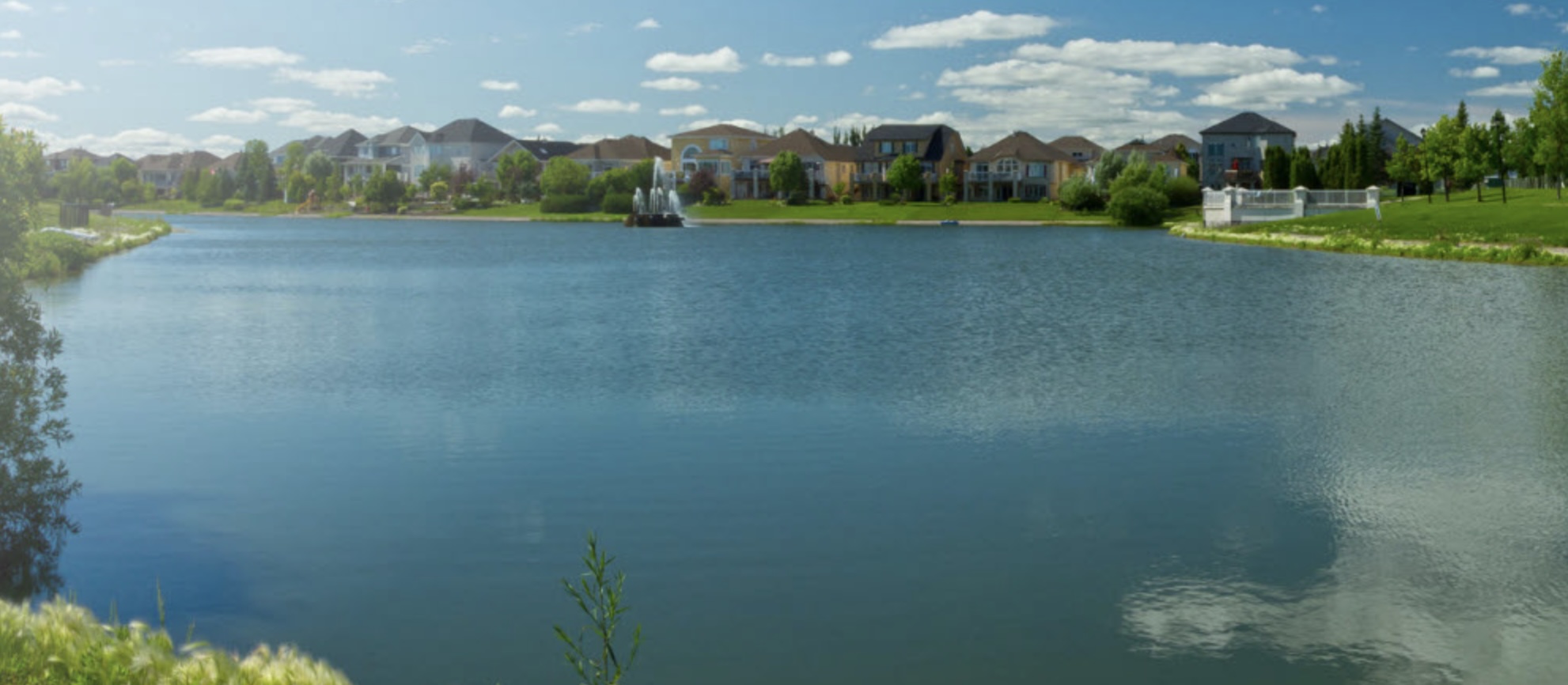
"Chemical-based treatments have proven ineffective and the environmental cost is real. We looked to the latest science and technology to find new and more effective solutions. SonicPure was the answer."
Ready to Take Back Control of Your Water?
Our team of scientists and engineers is ready to analyze your specific water profile.



.svg)