


Algae and Biofilm Are Not Just Water-Quality Problems. They Are Operating-Cost Problems.

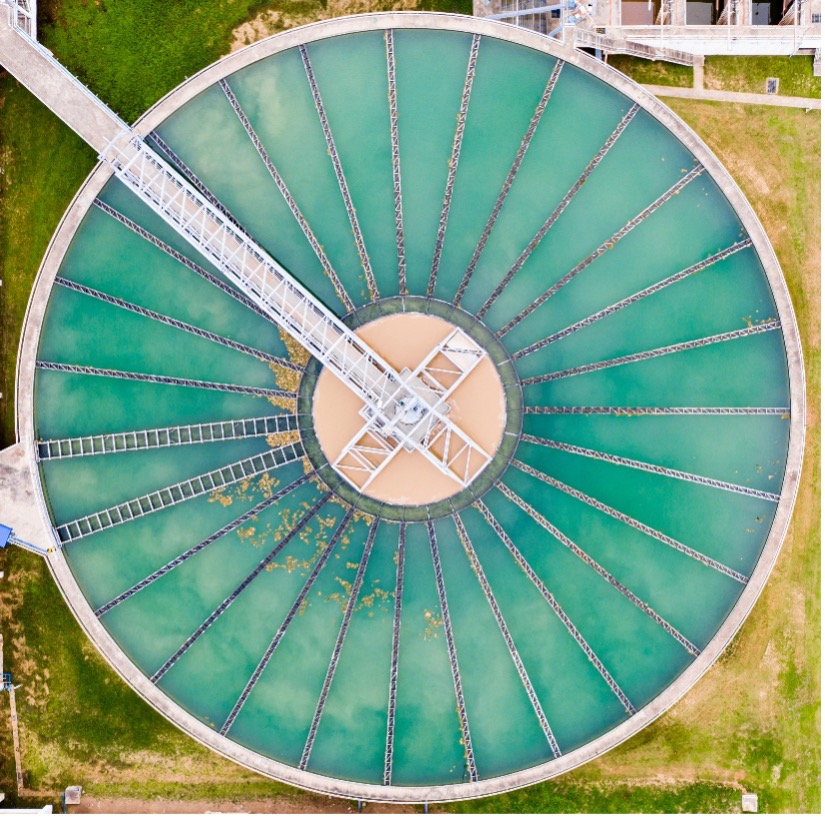
Across wastewater and drinking-water operations, recurring algae and biofilm growth drives up labor and chemical costs, increases downtime and solids loading, and adds compliance pressure. Continuous control changes the operating model.
An algae mat in a polishing pond. A scum ring around a clarifier. A taste-and-odor complaint at a drinking-water plant.
They look like different problems, but they often end up in the same place: the operating budget.
Algae, cyanobacteria, and biofilm do more than affect how water looks. They consume staff time, foul surfaces and equipment, increase chemical use, complicate treatment, and put added pressure on facilities already being asked to do more with limited people and resources.
The visible growth is only the beginning
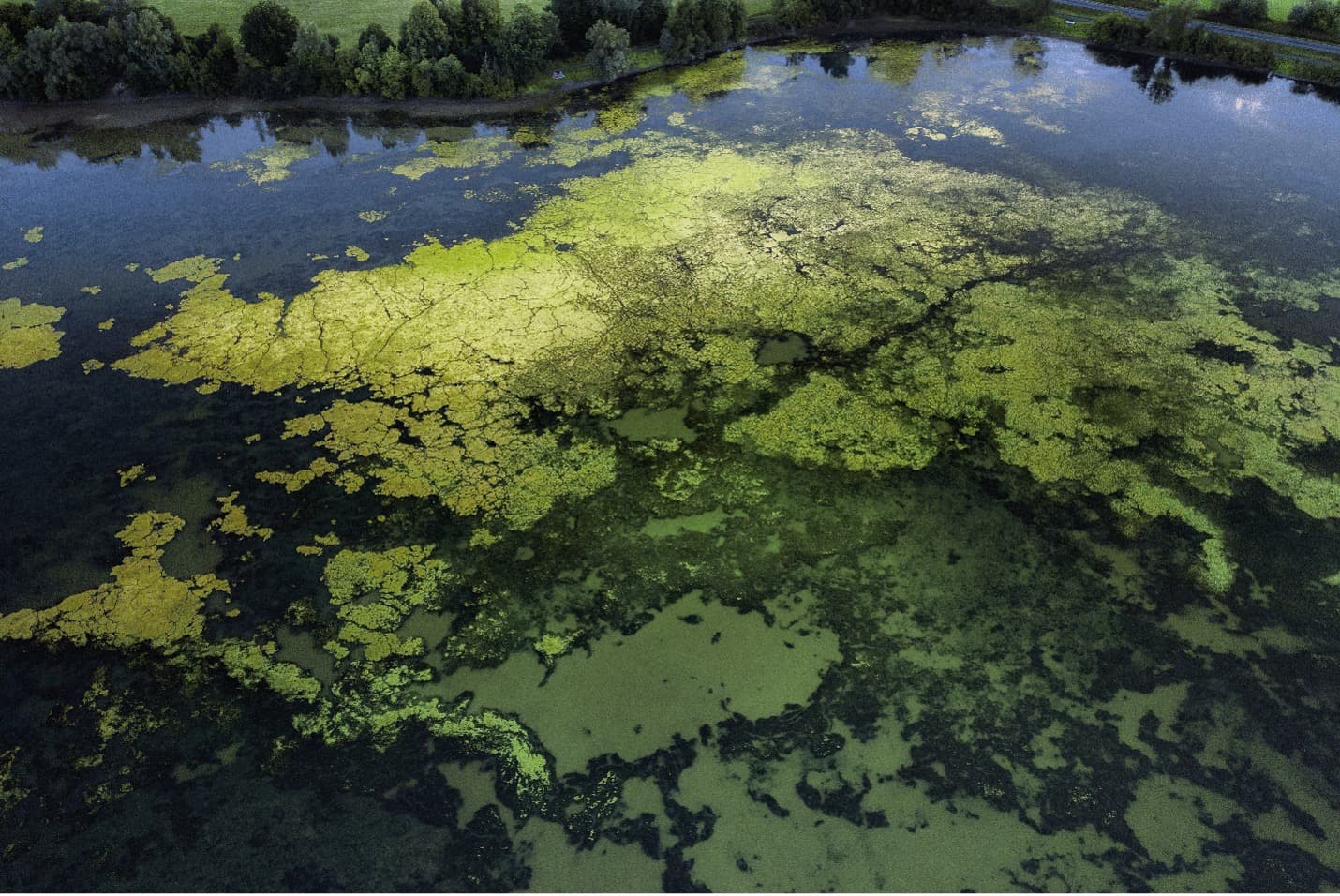
In wastewater lagoons and polishing ponds, heavy algae growth can push total suspended solids (TSS) and biochemical oxygen demand (BOD) higher, increase downstream treatment needs, and create effluent compliance pressure.
Inside clarifiers, settling basins, and treatment tanks, algae and biofilm collect on walls, weirs, launders, scum baffles, and other wet surfaces. Crews spend hours spraying, scraping, brushing, and removing growth, only to see it begin returning after the system goes back into service.
Every cleaning cycle carries a cost in labor, safety exposure, downtime, and lost attention from other plant priorities.
Drinking-water operations face a different version of the same problem. Cyanobacteria in source reservoirs and treatment basins can create toxin concerns, earthy or musty taste-and-odor problems, higher monitoring demands, and greater pressure on treatment processes.
The public sees green water or notices an odor. The plant sees overtime, chemical expense, process adjustments, repeated sampling, greater compliance risk, and pressure on community confidence.
Different sites. The same operating burden.
A wastewater lagoon, a circular clarifier, and a drinking-water reservoir do not operate the same way. But the cost pattern is remarkably similar.
Growth develops wherever water and nutrients support it. Staff clean surfaces, apply chemicals, and adjust treatment. The immediate problem improves, but the underlying conditions remain.
Then the algae or biofilm returns, and the cycle begins again.
That is why algae and biofilm should not be viewed only as water-quality problems. They are recurring operating-cost problems.
Those costs are often spread across several budgets, which makes them easy to underestimate. Labor may sit in maintenance. Chemicals may sit in treatment. Testing may sit in compliance. Downtime may appear as lower productivity.
But the facility still pays for all of it.
The cost of repeatedly catching up
Manual cleaning and chemical treatment are events. Algae and biofilm growth are continuous processes.
That mismatch keeps the facility in a reactive cycle. The facility waits until growth becomes visible, begins interfering with treatment, or forces another cleaning. Staff then remove it, dose for it, or adjust around it.
When favorable conditions continue, the result can be a recurring cycle of labor, chemical use, treatment disruption, and renewed growth.
Chemicals remain an important tool for many facilities. But repeated applications also bring ongoing purchasing, handling, storage, dosing, and safety requirements. For plants working to control expenses and reduce chemical dependence, repeating the same cleanup cycle is not a long-term operating strategy.
Continuous control changes the equation
SonicPure takes a different approach: apply continuous in-water treatment where algae, cyanobacteria, and biofilm problems develop.
The Pulsar 4400 emits 4,400 targeted, non-cavitating ultrasonic frequencies in a 360-degree pattern, 24 hours a day. For susceptible algae and cyanobacteria, those frequencies disrupt buoyancy and other simple cellular functions, controlling active growth and suppressing new bloom development without adding chemicals to the water.
For biofilm, continuous ultrasound disrupts early bacterial attachment and the formation of the sticky layer that allows biofilm to build on surfaces. The goal is not to wait for thick growth and then remove it. It is to control new formation and extend the time between cleanings.
That same approach can be applied across wastewater lagoons, clarifiers, settling basins, polishing ponds, raw-water reservoirs, drinking-water treatment basins, and other locations where algae or biofouling interfere with operations.
What changes when control is continuous
When growth is controlled continuously, crews can spend less time repeatedly cleaning the same surfaces. Chemical applications may be reduced. Clarifiers and basins can remain in service longer between maintenance events. Limited staff can focus on running the facility instead of chasing recurring growth.
At a Union City wastewater installation, clarifier cleaning intervals increased from approximately two weeks to six weeks. That is the kind of change that turns algae and biofilm control from a water-quality improvement into a measurable operating benefit.
For drinking-water systems, continuous treatment in the source reservoir or basin can control susceptible active algae and cyanobacteria while suppressing new bloom formation before they create larger taste-and-odor, cyanotoxin, monitoring, and treatment challenges.
SonicPure systems are chemical-free, easy to deploy, simple to operate, and low maintenance. They can operate on AC, DC, or solar power, with optional remote system and water-quality monitoring.
From repeated cleanup to continuous control
Continuous ultrasound works alongside nutrient management, watershed improvements, aeration, circulation, beneficial bacteria, and other site-specific strategies. It adds a 24/7 in-water control layer that reduces the burden of repeatedly responding after growth returns.
The result can be fewer cleanings, lower chemical dependence, less downtime, better use of limited staff, and more consistent operations.
Algae and biofilm may begin as water-quality problems. They become operating-cost problems when facilities are forced to fight them again and again.
SonicPure changes that cycle by controlling growth continuously, without adding chemicals to the water.
Contact SonicPure to discuss how continuous ultrasound can reduce algae- and biofilm-related cleaning, chemical, and operating costs in your wastewater or drinking-water facility: sales@sonicpure.com or +1 (310) 955-4005.

.svg)