


Maintenance drops drastically with SonicPure

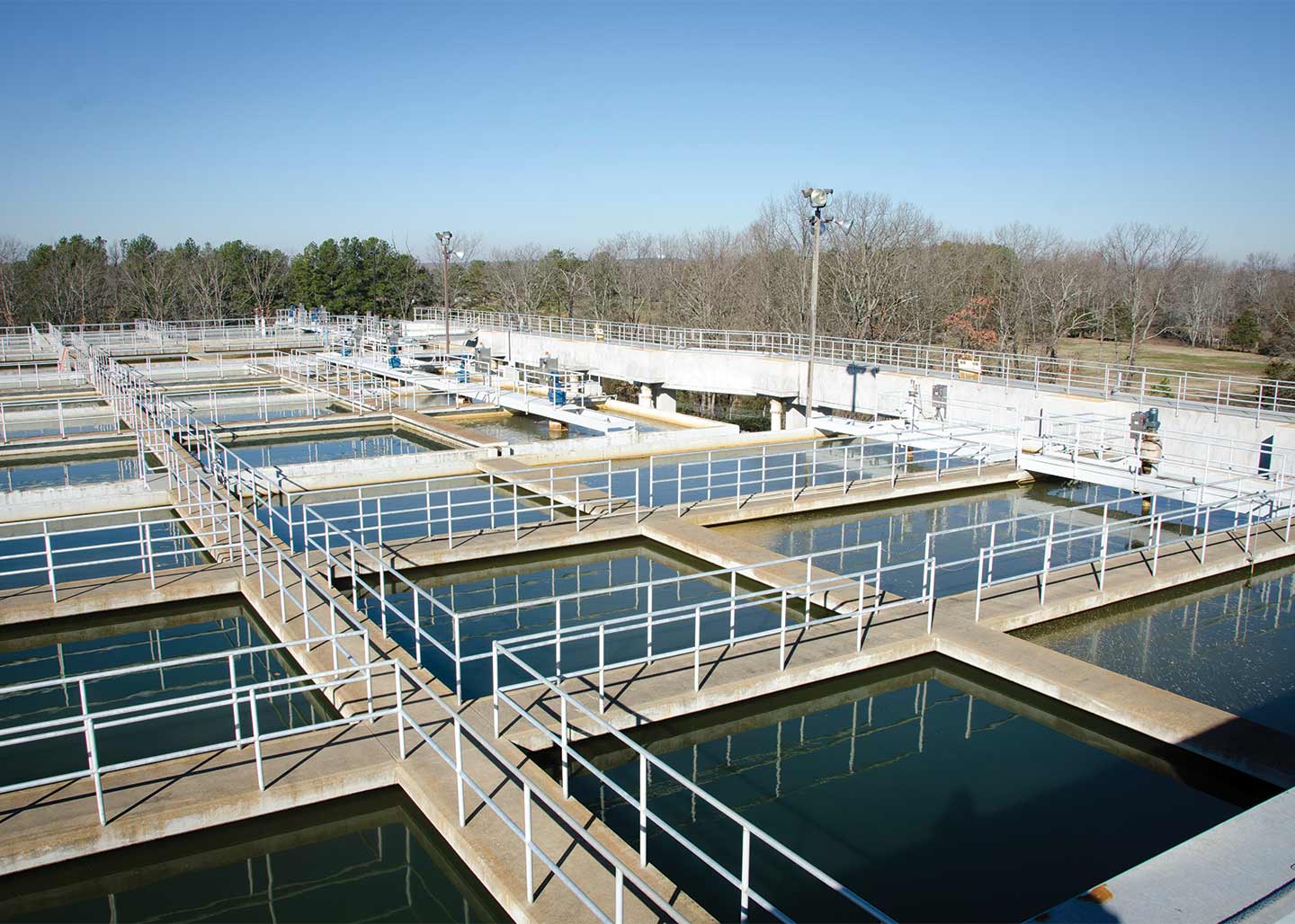
At Searcy Water Utilities in Arkansas, keeping treatment basins open and clean used to take a lot of time and effort. Biofilm buildup was a constant issue. It would grow along the basin walls, peel off in large sheets, clog filters, and eventually force our team into frequent cleanups. When the buildup reached a certain point, we had to shut down basins, scrub the walls, and remove accumulated sediment. That process took staff away from other work and added ongoing cost and disruption to daily operations.
The Problem: Persistent Biofilm and High Maintenance
The core issue was biofilm growth in our open conditioning basins. We treat roughly 20 million gallons of water per day from the Little Red River. After removing minerals and adjusting pH, the water flows through 11 open basins where particulates settle before final filtration. Each basin is about 24 feet wide, 100 feet long, and 14 feet deep.
During the warmer summer months, biofilm growth would accelerate. It would coat the basin walls and float to the surface. From an operational standpoint, it looked like brown lily pads. It could block the weirs, slow water flow, and allow organics to pass through when they should not.
Traditionally, our options were limited. We could clean the basins more often, which would require more labor and more downtime, or we could increase chemical use, which would add cost and raise environmental concerns. I preferred to avoid adding more chemicals if possible.
Exploring an Alternative to Chemicals
When I came across SonicPure® at a water quality conference, they were talking about using ultrasound to control algae and biofilm. The idea of reducing buildup without adding chemicals stood out. It seemed like something worth testing rather than committing to a full system right away.
The Solution: SonicPure® Ultrasound Technology
In 2016, we installed ultrasound units in two of our 11 basins and left a third basin untreated as a control. The setup was straightforward. The units were plug-and-play, required no ongoing maintenance, and did not rely on chemical additives. We ran the system throughout the summer to assess its performance under peak biofilm conditions.
By the end of that summer, the difference was noticeable. The basins with ultrasound had significantly less biofilm buildup and required cleaning much less often. The control basin continued to show the same issues we had always dealt with. Based on those results, we decided to expand the system to all 11 basins.
In 2018, we upgraded to SonicPure’s newer wide-frequency units. These units were designed to target a broader range of biofilm and algae types while using less power. The transition was simple, and performance remained consistent.
The Results: Cleaner Basins and Reduced Maintenance
Before installing ultrasound, we were shutting down and scrubbing each basin about every 30 days during the summer. With the ultrasound units in place, that interval has stretched to roughly 60 days. That change alone has saved significant labor time and reduced the need to disrupt operations.
From an operator’s standpoint, the system has been easy to manage. It does not introduce chemicals, it does not leave residual product in the water, and it does not require ongoing maintenance. Once installed, the units run continuously. The Arkansas Department of Health also viewed the approach as a safe and innovative way to manage biofilm.
Cleaner Water With Less Effort
Today, we continue to rely on ultrasound to maintain our basins. It has reduced cleaning frequency, improved overall water clarity, and allowed us to manage biofilm without increasing chemical use. From my perspective, it comes down to fewer cleanings, fewer chemicals, and cleaner basins, supported by a system that fits naturally into our existing operation.

.svg)