


Harmful Algae Blooms: A Growing Global Crisis

Harmful Algae Blooms: A Growing Global Crisis
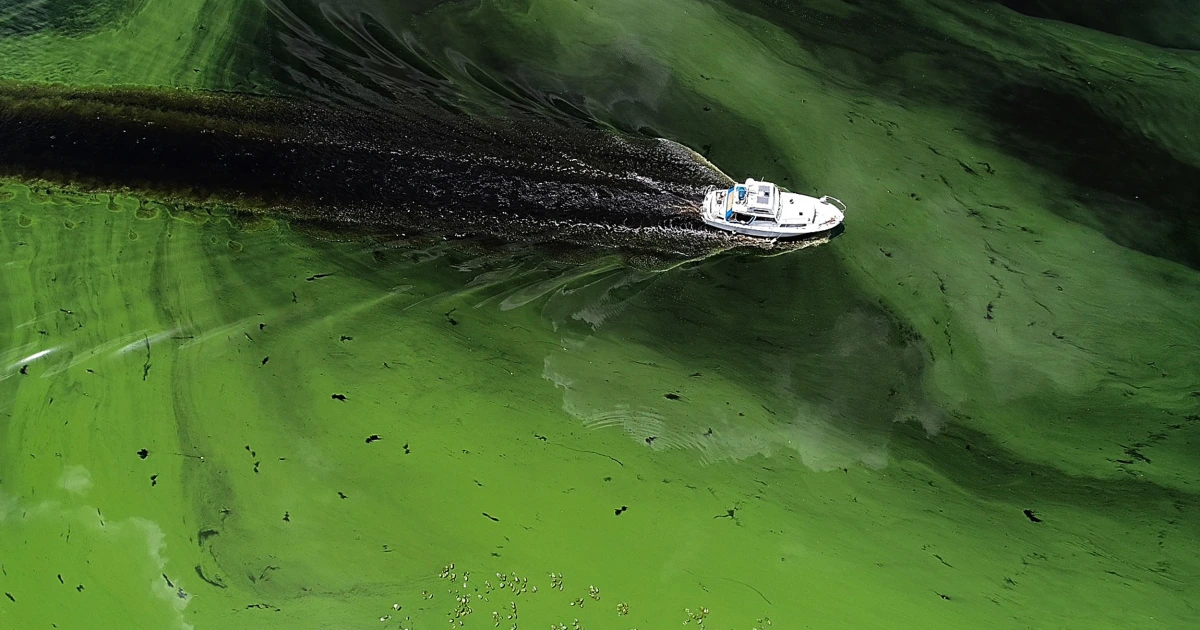
I want to talk through what is happening with harmful algae blooms and why they have become such a widespread problem. Excess nutrients, pollution, and rising temperatures are driving a surge in harmful algae blooms, toxic cyanobacteria, and broader ecosystem damage. What used to appear occasionally during certain seasons is now appearing more often and lasting longer. This is happening in small ponds, large lakes, reservoirs, and coastal waters, and it is creating real environmental and economic pressure.
The Scope of the Problem
In the United States alone, about 27 percent of lakes pose a high or moderate risk of exposure to toxic cyanobacteria based on cyanobacterial cell counts. The estimated economic cost of freshwater algal blooms in the U.S. is around $4 billion per year. Outside the U.S., the impacts are just as serious. In early 2016, algae blooms in Chile’s coastal waters killed roughly 40,000 tons of salmon, resulting in about 800 million dollars in losses. According to the EPA, climate change is likely to make harmful algal blooms more frequent, more widespread, and more intense, especially when nutrient pollution is already present. These outbreaks affect drinking water supplies, fisheries, tourism, and public health across many regions.
A Worsening Global Trend
This problem has been developing for a long time. A major scientific study showed that eutrophication, nutrient enrichment that speeds up algal growth, was already common decades ago. By the early 1990s, more than half of the lakes in Asia and Europe were eutrophic, along with nearly half in North America and a large share in South America. More recent satellite data show that conditions have continued to worsen, with 68 percent of the world’s large reservoirs showing increased nutrient-related problems over the past 30 years. This points to a trend that is not limited to one country or one type of water system.
The Root Cause: Nutrient Overload
The main driver behind this growth is nutrient pollution, especially nitrogen and phosphorus from fertilizers. When it rains, fertilizers from farms, lawns, and golf courses are washed into nearby streams, rivers, and lakes. Algae use these nutrients as fuel. It only takes about 30 parts per billion of added nutrients to trigger a bloom. Once algae spread across the surface, they block sunlight and reduce oxygen levels in the water. Fish and other aquatic life begin to suffer as a result. When the algae eventually die, they sink and decompose, using up even more oxygen and leaving behind oxygen-depleted sludge that further damages the ecosystem.
The Wrong Fix: Chemical “Quick Solutions”
In response to blooms, many organizations rely on chemical treatments like copper sulfate. These are often seen as quick solutions, but they tend to create longer-term problems. These chemicals can kill beneficial bacteria that normally help break down organic matter. They can also release nutrients trapped in sediments back into the water, which feeds future blooms. Over time, algae can become more resistant, requiring higher and more harmful doses. This leads to a cycle where more chemicals are used, nutrient balance worsens, and ecological damage increases.
Global Examples of Harmful Algae Blooms
There are many well-documented examples that show how serious these blooms can become. In 2014, Lake Erie experienced a toxic cyanobacteria outbreak that contaminated the drinking water supply in Toledo, Ohio, leaving about 500,000 people without safe water. Since then, blooms in the lake have grown larger and more toxic, leading to stricter fertilizer regulations across Ohio.
In China, Lake Taihu experienced a massive bloom in 2007 that cut off drinking water for more than two million people in Wuxi for a week. The response included closing factories, upgrading sewage treatment, and dredging nutrient-rich sediments from nearby waterways.
Lake Victoria in Africa has also suffered from recurring blooms. In 2004, one bloom shut down the water supply to Kisumu City, Kenya, affecting nearly half a million residents and killing large numbers of fish.
In Turkey, a 2021 outbreak in the Marmara Sea produced thick marine mucilage, often called sea snot, which clogged the water and suffocated marine life near Istanbul. Experts have warned that without strong intervention, nearby seas could face similar outcomes.
In Florida, Lake Okeechobee saw roughly two-thirds of its surface, more than 500 square miles, covered by toxic algae in June 2021. When excess water from the lake is released during hurricane season, there is a risk that these blooms spread downstream into coastal estuaries.
A Sustainable Path Forward
When looking at long-term solutions, prevention matters more than reaction. Reducing fertilizer use and limiting nutrient runoff are central. Restoring wetlands can help filter pollutants before they reach open water. There is also growing interest in sustainable technologies, such as ultrasound, that can control algae without the use of chemicals. Addressing nutrient overload and using tools that do not add new problems into the system is part of how communities are trying to manage water quality and protect ecosystems as these conditions continue to develop.

.svg)