Ohio Water Reservoir
Location: Wilmington, Ohio
Capacity: 450 million gallons
Installed: 2018
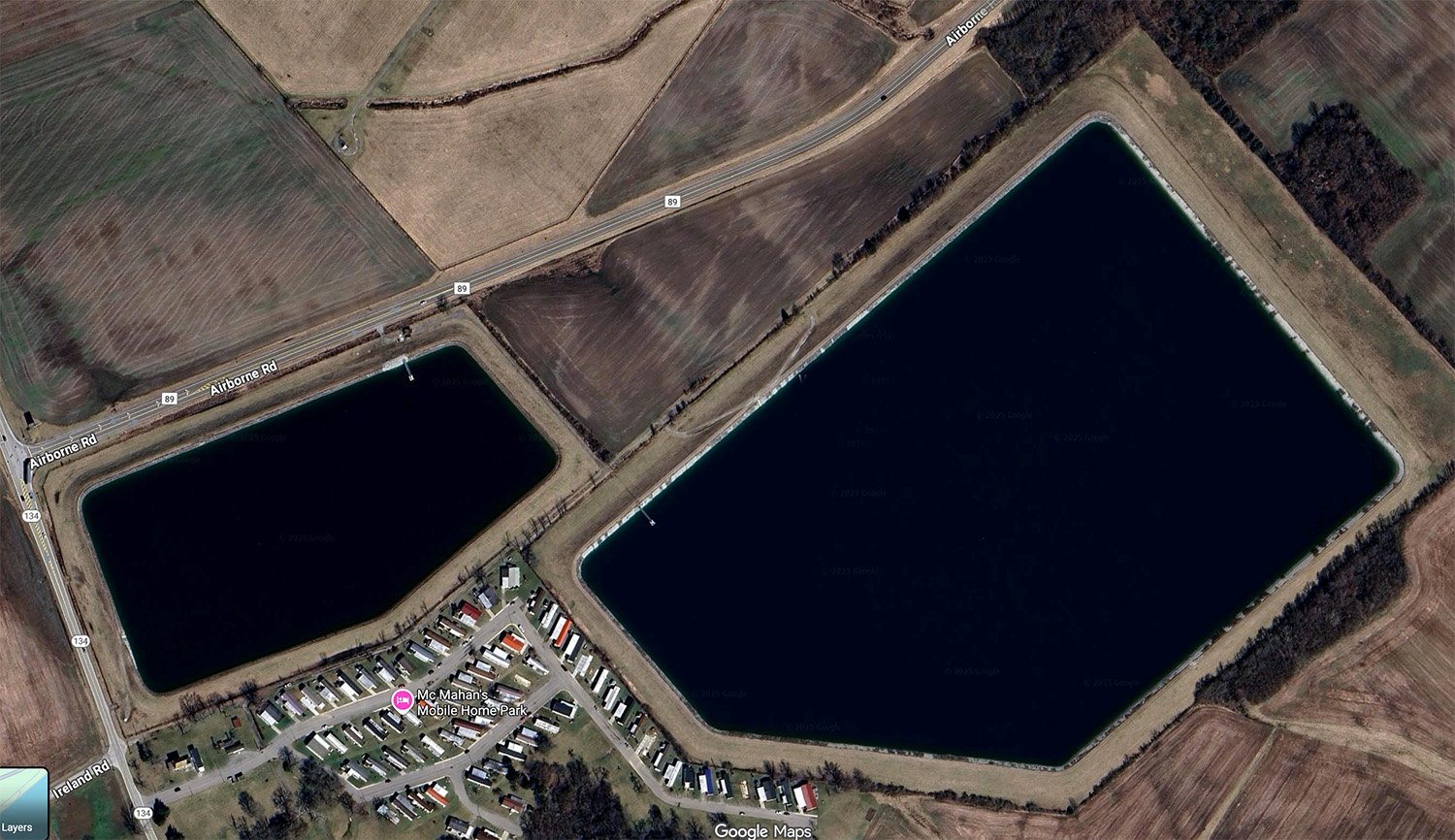
Ohio Water Reservoir
Location: Wilmington, Ohio
Capacity: 450 million gallons
Installed: 2018
Overview
Two drinking water reservoirs had a long history of green and blue-green algae proliferation. The dominant blue-green species were Cylindrospermopsis and Microcystis, both known for producing harmful toxins that threaten drinking water quality.
To control algae, the utility previously relied on copper sulfate treatments, which, while effective short-term, were labor-intensive, costly, and environmentally taxing. Operators sought a sustainable, low-maintenance alternative that could reduce both chemical dependency and operational workload.
The Challenge
A SonicPure® Sentinel was installed in Reservoir 1 for a 90-day pilot program.
- Reservoir 1: Treated with a SonicPure Sentinel
- Reservoir 2: Served as the control, continuing traditional copper sulfate treatment
- Testing: Conducted by the Ohio EPA, measuring algae species and toxin levels (nutrient load and other environmental factors were not part of this trial)
Within weeks operators reported notable improvements in water clarity and algae reduction within the treated reservoir.
“We were extremely happy with the performance of the units results in the reservoir. The reservoir with the ultrasonic unit is certainly clearer than it has been historically and shows a dramatically lower cyanobacteria count. Last year, cylindrospermopsin levels peaked at 1.0 µg/L in September—about seven times higher than the results measured last week. At this point, I’m hopeful that the unit will keep toxin levels from reaching that high again.”
-Rick Schaefer, Project Manager

The Challenge
Within weeks operators reported notable improvements in water clarity and algae reduction within the treated reservoir.
“We were extremely happy with the performance of the units results in the reservoir. The reservoir with the ultrasonic unit is certainly clearer than it has been historically and shows a dramatically lower cyanobacteria count. Last year, cylindrospermopsin levels peaked at 1.0 µg/L in September—about seven times higher than the results measured last week. At this point, I’m hopeful that the unit will keep toxin levels from reaching that high again.”
-Rick Schaefer, Project Manager