


Sustainable Algae Control for Lake & Pond Managers

When you manage lakes or ponds, algae tends to become a recurring problem that never fully goes away. I have seen how quickly clear water can turn cloudy, and how often the default response is to rely on chemical treatments to bring things back under control. Those treatments can work in the short term, but they usually require repeated applications, ongoing labor, and careful compliance. Over time, that approach becomes expensive and difficult to sustain, especially when the same algae growth keeps returning.
A Smarter Way to Eliminate Algae and Biofilm
I work with SonicPure®’s ultrasonic technology because it addresses that cycle in a different way. Instead of adding chemicals to the water, the system uses sound waves at specific frequencies to disrupt algae at the cellular level. The goal is to eliminate algae from within the cell, without introducing toxins or creating conditions that harm fish, wildlife, or people who use the water. This changes how algae control fits into long-term lake and pond management.
Once installed, the system runs continuously. In most cases, water clarity begins to improve within about 15 to 30 days. Because the system operates continuously, it helps maintain those conditions rather than relying on periodic treatments. That steady operation reduces the need for repeated chemical applications and lowers overall maintenance demands. It also allows managers to step away from reactive treatment schedules and focus more on ongoing water quality.
Why Ultrasound Works
Ultrasound works differently from algaecides because it targets algae’s internal structures rather than trying to poison or suppress growth from the outside. The technology uses a wide range of frequencies that resonate with both blue-green and green algae. As those frequencies affect the cells, the algae lose buoyancy, sink, and naturally decompose. This process does not harm other aquatic life or beneficial bacteria, unlike chemical approaches, which is a common concern.
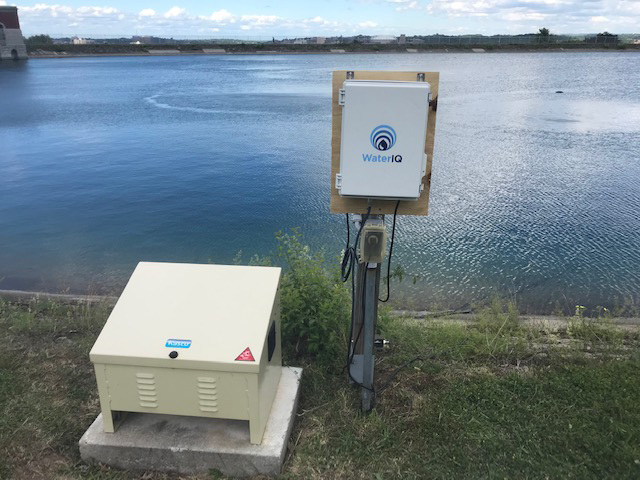
Each SonicPure unit can be installed on a solar buoy or a shore-based float, depending on the site. Optional sensors can be added to monitor pH, oxygen levels, turbidity, and chlorophyll-A. With built-in IoT telemetry, it becomes possible to track water quality in real time and oversee multiple locations from a single dashboard. The latest units also include Cerakote-coated emitters, which are designed to resist fouling and support long-term reliability in the field.
Safe, Cost-Effective, and Proven
From an operational standpoint, the system is meant to reduce complexity. There is no need for chemical handling, protective gear, or monthly treatment schedules. Labor requirements decrease, cleaning intervals are extended, and long-term costs become more predictable. For organizations that are paying closer attention to sustainability goals and environmental impact, this approach aligns better with those priorities while still addressing algae effectively.
At its core, this is about using technology rather than chemicals to manage algae. The focus is on maintaining clear water over time in a way that aligns with real-world lake and pond management, without introducing new risks or recurring burdens.

.svg)