


Ultrasonic Technology Effectively Combats Blue Green Algae Blooms

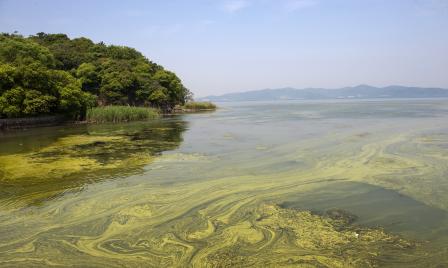
When Boiling Water Isn’t Enough: A Smarter Way to Defend Against Harmful Algal Blooms
I have spent a lot of time thinking about the assumption that boiling water makes it safe to drink. In many cases, that is true, but it breaks down when harmful algal blooms are involved. Some types of algae release toxins that boiling does not destroy. When those toxins are present, the water can still be unsafe even after treatment. That reality is becoming harder to ignore as harmful algal blooms are increasingly common in lakes and reservoirs that people depend on for drinking water.
The Scale of the Problem
The scale of the problem is larger than it might seem at first. Estimates suggest that tens of millions of people rely on water sources that are periodically contaminated by algal toxins. One of the most common causes is blue-green algae, also known as cyanobacteria. It is a microscopic organism that thrives in warm water with high nutrient levels. Once it takes hold, it can spread quickly and become difficult to control.
These blooms are not just a visual problem. They affect public health and can pose a danger to pets, livestock, and wildlife. Thick mats of algae can smell bad, look unpleasant, and make lakes unusable for swimming, fishing, or boating. That disruption spills into tourism and any industry that depends on clean water. Managing these blooms also has a real economic cost, including significant spending on water treatment and cleanup, as well as lost revenue from contaminated waterways.
The Limits of Chemical Control
Under pressure to act quickly, many cities and utilities turn to chemical treatments. These approaches can reduce algae in the short term, but they often create new challenges. Chemicals do not always discriminate between harmful algae and the beneficial microorganisms that help maintain nutrient balance.
In some cases, toxins are released as the algae die and decompose. Other treatments can harm aquatic ecosystems or make odor and biofilm problems worse by encouraging anaerobic bacteria. What looks like a solution at first can make long-term water management more complicated.
How Human Activity Fuels Harmful Blooms
Human activity plays a large role in why these blooms are so persistent. Nutrients like nitrogen and phosphorus are everywhere, coming from fertilizers, lawn treatments, and common household products. When rain washes those nutrients into lakes and reservoirs, it creates ideal conditions for algae growth.
Warmer water temperatures, driven by climate change, accelerate bloom cycles further. Testing nutrient levels and managing watersheds are important steps, but once a bloom has started, those measures alone are usually not enough.
The Ultrasonic Advantage
This is where ultrasonic algae control enters the conversation. Ultrasound uses carefully tuned sound frequencies that move through the water and interfere with algal cell structures. The approach does not rely on chemicals and does not harm fish, plants, or other aquatic life.
Research shows that ultrasonic systems can affect a large percentage of known algae species, including the most toxic forms of cyanobacteria. Different algae respond to different frequencies, allowing harmful species to be suppressed without disrupting the rest of the ecosystem. Some newer systems transmit thousands of discrete frequencies, allowing for more precise targeting and broader coverage.
Smarter Design, Cleaner Water
Modern ultrasonic systems are designed to operate continuously with minimal intervention. Many are solar-powered, connected to the cloud, and built from materials that resist biofouling. They can run for long periods and integrate with real-time water-quality sensors, making it easier to monitor conditions and respond as needed.
The focus is on steady, chemical-free control rather than reactive treatment after a bloom has already caused damage.
A Holistic, Sustainable Approach
In practice, the most effective approach combines nutrient management with ultrasonic algae control. Reducing nutrient inputs helps limit future blooms, while ultrasound addresses the algae that are already present. Together, they offer a practical way to improve water quality without relying on chemicals that can create new problems.
As more communities look for sustainable alternatives, ultrasonic technology provides a method that focuses on long-term stability and safer water rather than temporary fixes.

.svg)