


Protecting Sundridge Sewage Lagoon

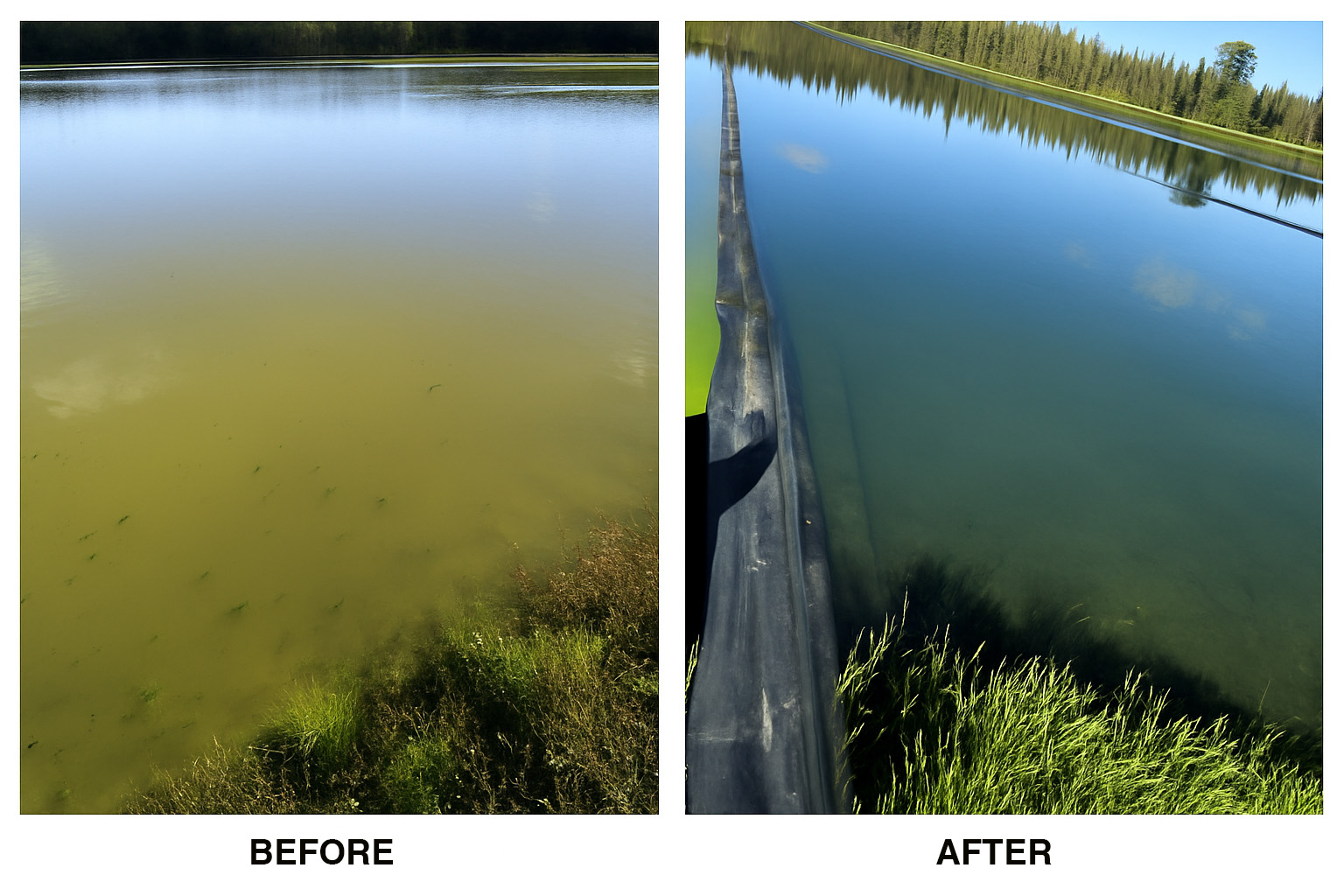
SonicPure® Restores Water Quality in Ontario Lagoon
I was brought into a situation where algae had become more than a visual issue. In Ontario, uncontrolled blooms of blue-green and green algae were developing in a sewage lagoon that was critical to the local treatment system. At first glance, algae might seem like a surface-level concern, but in this case, it was directly affecting water quality and system performance, making it impossible to ignore.
As the algae continued to grow, the impact became operational. Effluent quality declined, and total suspended solids climbed well beyond what the lagoon’s existing filtration setup could handle. The system was not designed for that level of biological load, and it started to show. What had once been a manageable environment was now pushing against the limits of the infrastructure that supported it.
A Growing Compliance Problem
This quickly turned into a compliance issue. The Ontario Ministry of Environment, Conservation and Parks needed the lagoon brought back within Environmental Compliance Approval limits. Readings were already exceeding the allowed limit, and there was growing concern about the stability of the treatment process if the situation continued.
The lagoon relied on a Submerged Attached Growth Reactor disc filter, and that filter was being overwhelmed. It could not keep pace with the volume of algae moving through the system. Without intervention, both regulatory compliance and day-to-day operations were at risk.
Choosing a Non-Chemical Approach
The city of Sundridge needed a solution that addressed the algae problem without introducing new environmental or operational risks. Cost, long-term maintenance, and environmental responsibility were all part of the conversation.
After reviewing the site conditions and constraints, we recommended installing a SonicPure Sentinel as a non-chemical approach to algae control. The goal was to reduce the biological load in the lagoon without relying on repeated chemical treatments.
Performance During Peak Algae Season
The system was activated in mid-August, which is typically the most challenging time of year for algae growth. At activation, cyanobacterial cell counts exceeded two million. This provided a clear baseline for measuring performance.
Within thirty days, the cell count dropped to 4,420. After sixty days, it declined further to approximately 1,600 cells. The reduction held steady despite seasonal conditions that normally favor aggressive algae growth.
Side-by-Side Validation
To validate the results, a ninety-day comparative trial was conducted. One reservoir was treated with the SonicPure system, while a neighboring reservoir continued using copper sulfate treatments.
By the end of the trial, the difference was clear. The SonicPure-treated reservoir was visibly cleaner and achieved equal or better control without chemical dosing or recurring treatment cycles. This comparison helped confirm that the results were not isolated or short-lived.
How Ultrasound Addresses Algae Growth
Some algae species respond differently to ultrasound, and that was part of the evaluation process. Certain Chlorophyceae and Cyanophyceae species are less affected, but these represent a very small fraction of algae types typically responsible for operational and compliance problems.
Ultrasound works by transmitting high-frequency sound waves through the water. These waves disrupt algae at the cellular level, interfering with buoyancy and photosynthesis. As a result, algae lose the ability to sustain blooms. This process does not harm beneficial bacteria, aquatic life, or surrounding ecosystems.
Operational and Environmental Outcomes
The Ontario project demonstrated that ultrasound can match the effectiveness of copper-based treatments while avoiding the health, safety, and environmental concerns associated with chemical use. The system operated continuously and autonomously, reducing the need for ongoing intervention.
As the project lead noted during the review, the system achieved a five-hundred-fold reduction in cyanobacterial cell count. Compliance was restored, water clarity improved, and the lagoon’s filtration system was able to function as intended without a single chemical treatment.
A Practical Path Forward
From my perspective, this project reflects a broader shift in how water management authorities are approaching algae control. There is growing interest in solutions that deliver reliable performance without creating long-term environmental risks.
In Sundridge, replacing chemical treatments with ultrasonic technology demonstrated that maintaining clean water need not come at the expense of environmental responsibility. It demonstrated a practical, sustainable approach that supports both system performance and regulatory compliance over time.

.svg)